


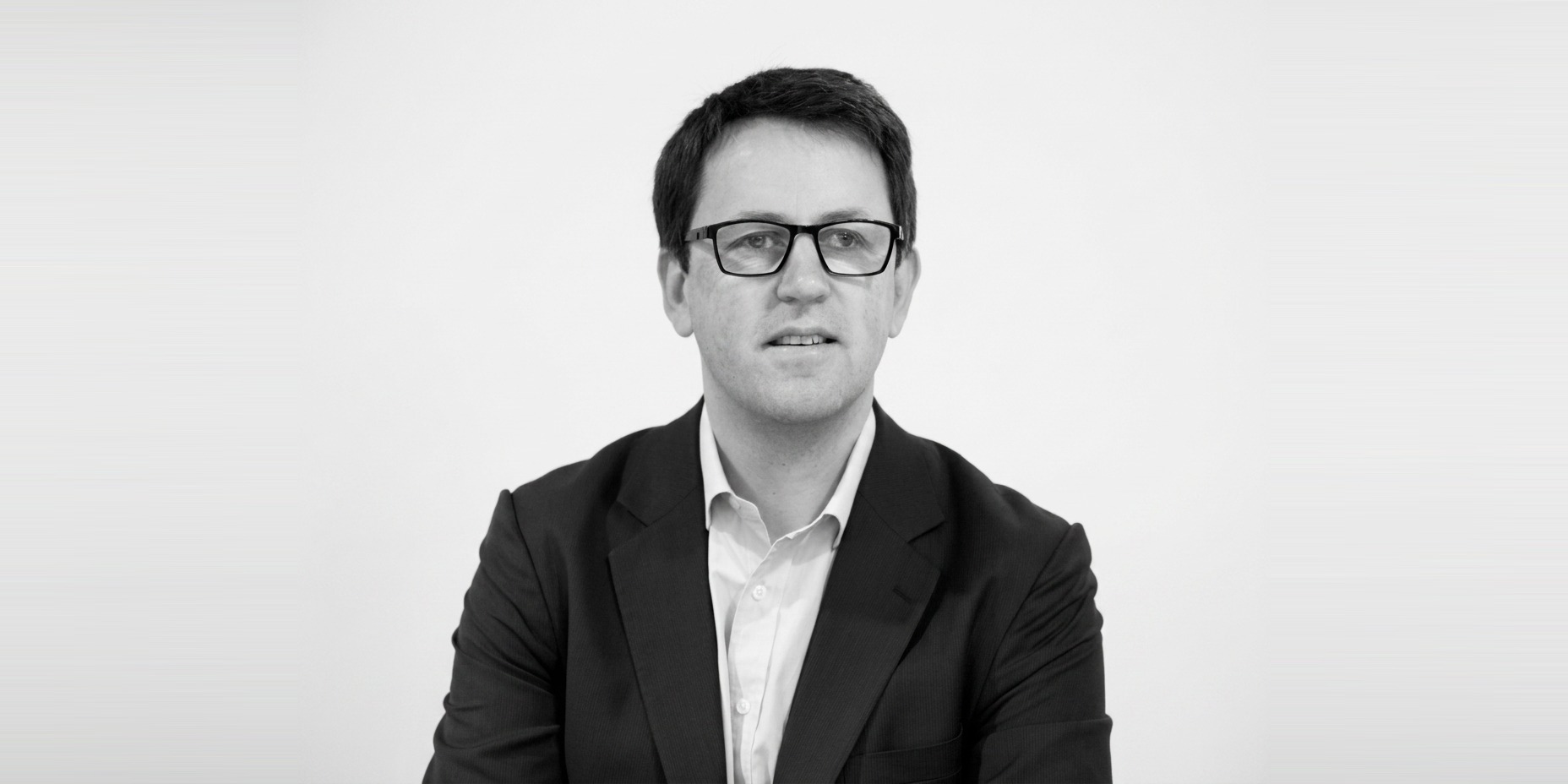
A candid, behind-the-scenes conversation with the founders shaping the future of fintech and B2B SaaS, brought to you by Finch Capital.
- Company
- APEXX Global
- Role
- Founder & CEO
- Website
- APEXX Global
The 60-Second Origin Story
"Give us the short version. What was broken in global payments when APEXX was founded, and what were you setting out to fix?"
When we founded APEXX, global payments were unnecessarily complicated. Large enterprise merchants were managing multiple gateways, acquirers, local payment methods and reporting systems, all stitched together with expensive integrations and significant operational overhead.
The industry was largely built around the needs of payment providers rather than merchants. Every provider wanted to be the centre of the ecosystem.
We thought that was backwards.
Our vision was simple: create a platform that gives merchants access to the entire global payments ecosystem through a single integration, while remaining completely independent and provider agnostic. We wanted merchants to be able to choose the best providers for every market, optimise performance in real time, improve acceptance rates, reduce costs and create resilience without adding complexity.
That became APEXX. Today, our mission remains exactly the same: simplify global payments and always act in the best interests of the merchant.
The Origins
"You came to payments orchestration via retail leadership at Currys, banking at HSBC and mobile payments at Zapp before founding APEXX. What drew you personally to this problem, and why was 2017 the right moment to build APEXX?"
My career gave me a front-row seat to the challenges merchants faced with payments.
At Currys, I saw how important payments were to customer experience and commercial performance. At HSBC, I gained a deeper understanding of the banking and acquiring landscape. At Zapp, I experienced first-hand how difficult it was to connect innovation with large-scale merchant adoption.
Across all those experiences, one thing became clear: merchants were being forced to adapt to fragmented payment infrastructure rather than the infrastructure adapting to them.
By 2017, several market forces were converging. E-commerce was growing rapidly, merchants were expanding internationally, new payment methods were emerging, and businesses increasingly wanted flexibility rather than vendor lock-in. Yet there was still no independent platform helping merchants orchestrate all of these moving parts.
We believed payment orchestration would become a foundational layer of the payments stack. The timing felt right because merchants were starting to demand more control, more transparency and more optionality.
"We weren't trying to build another gateway; we were building the operating system for enterprise payments."
The Team
"APEXX sits at the intersection of acquiring, technology and enterprise sales. How did you think about assembling the leadership team and the right balance of skills, and how has the team evolved as you have scaled?"

Building APEXX has always required bringing together expertise from multiple disciplines because payments is one of those industries where technology, banking, regulation and commercial strategy all collide.
From day one, we recognised that no single background was enough. We needed people who understood enterprise software, people who understood the complexities of acquiring and payment processing, and people who knew how to build and support long-term relationships with large global merchants.
The balance was always about creating a team that could translate complexity into simplicity for customers. Enterprise merchants don't want to manage the intricacies of payment infrastructure; they want partners who can solve problems and deliver outcomes. That mindset has shaped how we've hired and structured the business.
As we've scaled, the profile of the team has naturally evolved. In the early years, we needed builders; people who were comfortable operating with ambiguity, creating new products and helping establish the foundations of the company. As the business matured and we began supporting some of the world's largest merchants, we added more experience in areas such as platform scalability, customer success, operational excellence and international growth.
What hasn't changed is the culture. We look for people who are curious, collaborative and customer-focused. The payments landscape evolves constantly, so having a team that is willing to learn, challenge assumptions and adapt quickly is incredibly important.
Ultimately, our success comes from having a diverse group of people united by a common goal: helping merchants navigate an increasingly complex payments ecosystem while delivering measurable business value.
The Toughest and Easiest Calls You've Made as CEO
"Which leadership decisions were the most difficult as the business grew, and which paid off faster than expected?"
The toughest decisions have always involved people.
Every founder wants to build a great culture and create opportunities for talented individuals. As the business grows, however, there are moments when the organisation needs different skills, different structures or different ways of operating. Those decisions are never easy because they affect real people.
Another difficult challenge has been maintaining focus. There are endless opportunities in payments, but not every opportunity is the right one. Learning when to say no has been just as important as knowing when to say yes.
The easiest decisions have often been those where we chose to invest in the product.
Whenever we've doubled down on our technology, our platform capabilities or customer experience, we've seen the returns. Investments in orchestration, intelligent routing, resilience and reporting consistently created value for merchants and reinforced our position in the market.
Metrics That Matter to You
"In a business judged on the value you create for merchants, which KPIs do you watch most closely; acceptance rate uplift, cost savings, cascading recovery, transaction volume or others?"
The metrics I care about most are the ones that reflect merchant outcomes.
Acceptance rates are incredibly important because every successful transaction represents revenue for our customers. We closely monitor approval performance, soft decline recovery and the impact of intelligent routing.
Cost savings are equally critical. If we can help a merchant reduce processing costs while maintaining or improving performance, that's a tangible outcome that directly impacts their bottom line.
I also pay close attention to platform reliability and customer retention. Payments are mission-critical infrastructure. If you're processing billions in transactions, uptime, resilience and trust matter enormously.
Ultimately, the most important KPI is whether we're creating measurable value for merchants. If we improve acceptance, reduce costs and simplify operations, everything else tends to follow.
The Culture You're Building
"APEXX is built on complete provider agnosticism, always delivering the best result for the merchant. How does that merchant-first principle show up in the culture you have built internally?"
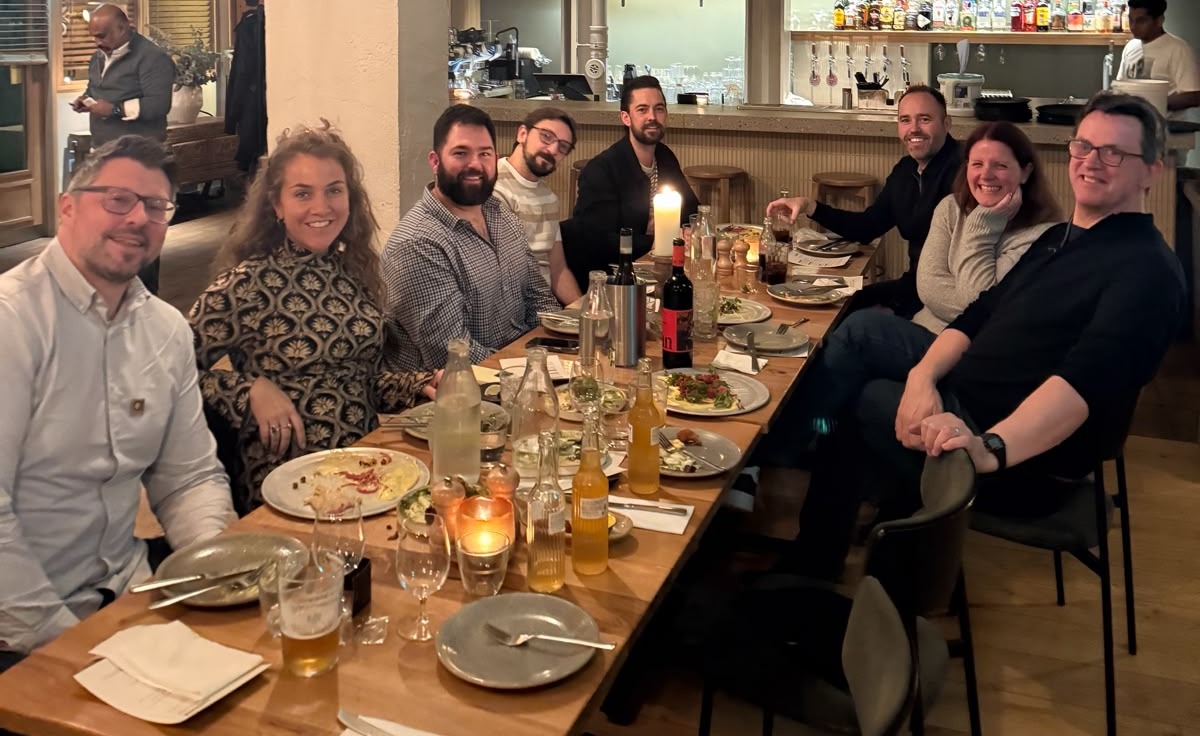
The merchant-first philosophy isn't just a marketing message; it's how we make decisions.
One of the defining characteristics of APEXX is that we're genuinely provider agnostic. We don't win when a particular acquirer wins. We win when the merchant gets the best outcome.
That mindset influences everything from product development to customer support. We encourage teams to ask a simple question: "What's best for the merchant?"
Sometimes that means recommending a different provider. Sometimes it means helping a customer redesign a payment flow. Sometimes it means solving a problem that doesn't directly benefit APEXX commercially.
"When you consistently act in your customers' interests, trust follows. Over time, that trust becomes one of your strongest competitive advantages."
What You'd Do Differently (Knowing What You Know Now)
"If you could rewind to the early days of APEXX, what would you change?"
Like most founders, I wish I'd worried less about perfection and moved faster in certain areas.
In the early days, you naturally spend a lot of time validating decisions because resources are limited and mistakes feel expensive. Looking back, there were probably occasions where we could have accelerated product development or expanded certain initiatives sooner.
I'd also have invested even earlier in some of the operational foundations required for scale. It's tempting to focus exclusively on growth, but scalable processes become increasingly important as you move upmarket and serve larger enterprise clients.
That said, every challenge taught us something. Many of the lessons that shaped APEXX came from navigating those early decisions.
The Finch Capital Round
"Your recent investment from Finch Capital followed a strong commercial close to 2025 and several major enterprise wins that took the business towards break-even. How has the round changed the complexion of APEXX, and what signal do you think it sends to the market?"
The investment from Finch Capital is an important milestone for APEXX.
The round followed a period of strong commercial momentum, significant enterprise customer wins and a clear path towards profitability. For us, it wasn't simply about raising capital; it was about finding a partner who understood the scale of the opportunity and shared our long-term vision.
The investment allows us to accelerate product innovation, expand our commercial reach and continue investing in the platform. It also provides additional validation of the payment orchestration category and APEXX's position within it.
From a market perspective, I think it sends a strong signal that payment orchestration is no longer an emerging concept. It is becoming an essential component of modern payment infrastructure, particularly for enterprise merchants operating globally.
Industry Impact of AI
"AI already sits at the heart of how APEXX routes and optimizes transactions with your existing AI-driven routing (AIRE) technology. Looking ahead, where do you see AI making the biggest difference in payments, and how are you thinking about it across the product and the wider business?"
AI already plays an important role in payments, particularly in areas such as routing optimisation, fraud prevention and transaction performance.
At APEXX, our AI-powered routing capabilities help merchants make smarter decisions about where and how transactions should be processed. That's delivering measurable benefits today.
Looking ahead, I think AI's biggest impact will come from its ability to process vast amounts of payment data in real time and make increasingly sophisticated optimisation decisions. That could include dynamic routing strategies, predictive decline prevention, fraud mitigation and automated operational insights.
Beyond the product itself, AI will also transform how businesses operate internally. It will improve efficiency across engineering, customer support, compliance and commercial functions.
The key is ensuring that AI remains practical. The most valuable applications won't necessarily be the most visible; they'll be the ones quietly helping merchants generate more revenue, reduce costs and improve customer experiences.
Fast Forward
"Looking ahead, where do you see the payment orchestration market heading, and where do you believe APEXX is best positioned to lead?"
I believe payment orchestration will become the standard architecture for enterprise payments.
Merchants increasingly want flexibility, resilience and choice. They don't want to be locked into a single provider or constrained by legacy infrastructure. As payment ecosystems continue to evolve, orchestration becomes the mechanism that allows businesses to adapt without constantly rebuilding their payment stack.
Where APEXX is particularly well positioned is our independence. We are not tied to a single acquirer, gateway or payment method. That allows us to remain focused on one objective: delivering the best outcome for the merchant.
As the market matures, I expect the winners to be the platforms that combine global connectivity, intelligent optimisation and deep customer partnership. That's exactly where we're investing.
Piece of Advice Wrap-Up
"If you could offer one piece of advice to other founders building B2B infrastructure in complex, established markets, what would it be and why?"
Build around customer problems, not industry assumptions.
In established markets, it's easy to accept the way things have always been done. The real opportunities often come from questioning those assumptions and focusing relentlessly on customer outcomes.
Infrastructure businesses can take time to build. Enterprise sales cycles are long, integrations are complex and trust has to be earned. That means resilience and patience are essential.
But if you genuinely solve a meaningful problem and consistently deliver value, customers become your strongest advocates.
The advice I'd give any founder is simple: stay close to your customers, listen carefully, and never lose sight of the problem you're trying to solve.