

A candid, behind-the-scenes conversation with the founders shaping the future of Business and Financial Technology.
- Company
- eflow Global
- Role
- Founder & CEO
- Website
- eflow Global
The 60-Second Origin Story
"Give us the short version. What gap in the market led to the creation of eflow?"
eflow was formed in 2004, but we pivoted in 2018. We saw firms across surveillance and financial crime still running legacy, on-premise tech that could not keep pace with regulation refreshing every three years. We set out to modernise that stack for mid-market capital markets firms across the UK and Europe.
Problem
Capital markets firms stuck on legacy, on-premise compliance tech that cannot keep up with regulatory change, exposing them to fines and reputational damage.
Solution
PATH, a cloud-native platform that unifies data, workflows and analytics, with modular services for trade surveillance, eComms, best execution and reporting.
Opportunity
Regtech and trade surveillance are growing around 20% a year as regulation, data volumes and new asset classes keep expanding.
Business Model
SaaS, configuration fee plus recurring licensing on a consumption model that scales with volume. Over 140 institutions worldwide.
The Origins
"What attracted you personally to the regulatory reporting and compliance space, and why was now the right time to build eflow?"
It is genuinely complex and underserved, and the complexity is exactly why it has been left alone.
We are dealing with banking and capital markets protocols that date back, believe it or not, to the 1970s. Turning that legacy architecture into something clean, modern and scalable is what gets me up in the morning.
"Most people would call it mad. I call it a chance to disrupt a stodgy industry and change how it thinks."
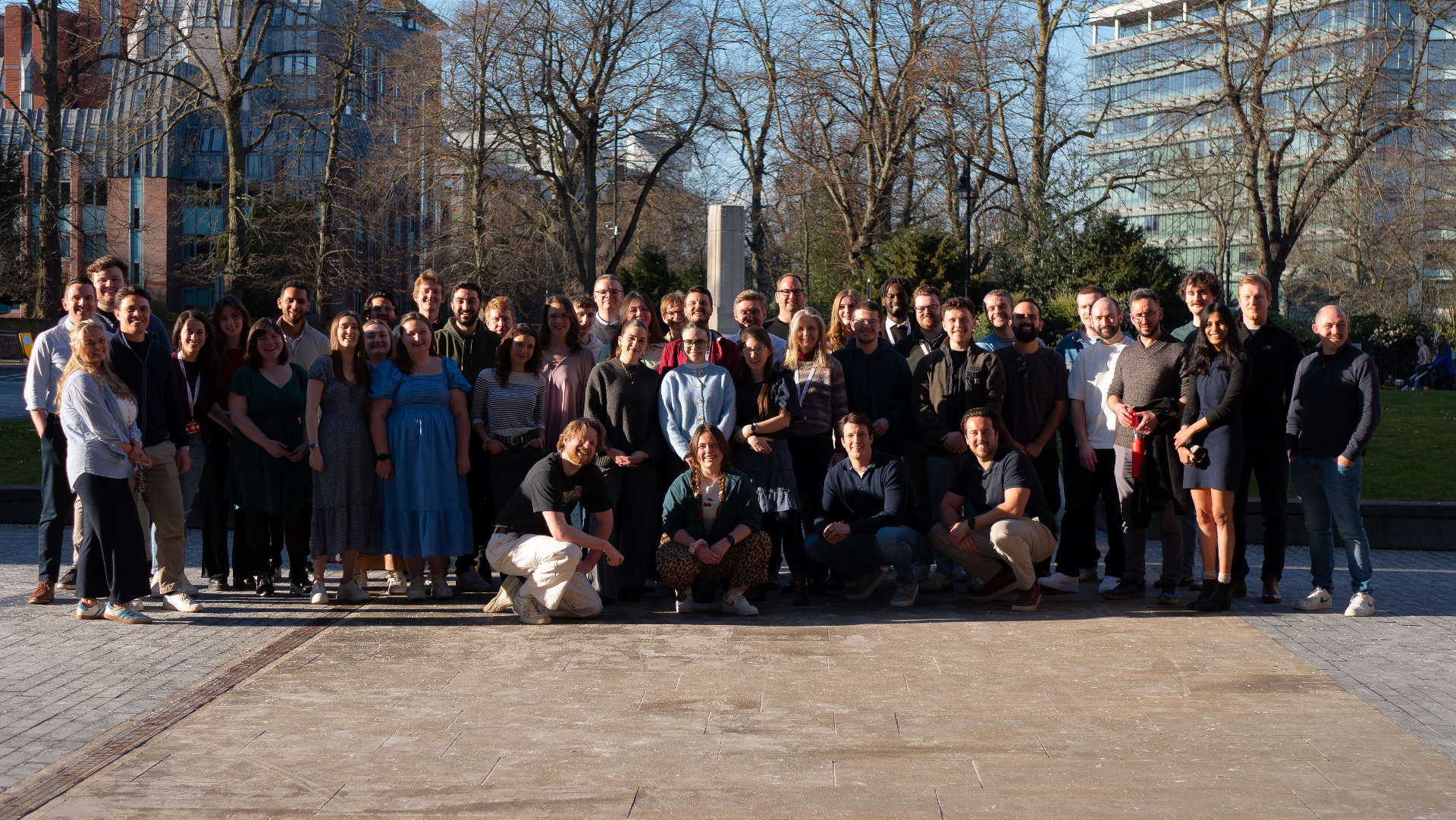
The Team
"eflow operates at the intersection of regulation, data, and capital markets. How did you think about assembling the right team early on?"
We started with the same people who had lived in the market: steeped in regulation, risk, compliance and the big capital markets systems. Most of that original team is still with us. We restructured around their skills, then layered in financial discipline, go-to-market capability and operational scale through new hires.
People ask why we did not just start again. In a regulated environment, brand and trust carry enormous weight, and that gave us a real leg up. Blending the existing team with new senior talent, getting the mix wrong a few times and right a few times, is what carried us.
The hardest part is blending two very different disciplines. The regulatory and customer-facing team want efficiency and easier detection of market manipulation, but they also want explainability: when you surface a potential scenario, they need to know it is grounded in reality, and that the technology enables human judgement rather than replacing it. The AI expertise was the one thing we had to look outside for. We found the best minds in the field and adapted their thinking to our world, not the other way round.
The Toughest and Easiest Calls You've Made as CEO
"Which leadership decisions were the most difficult as the business grew, and which paid off faster than expected?"
The toughest are the trade-offs between short-term revenue and long-term platform integrity. Converting from services to SaaS, there was constant pressure to say yes to every request. Staying disciplined about what to scale, and what not to, has been the hardest part.
Entering the US was a good example. We got the team blend wrong first time, so we moved fast: pulled the team, put a new one in, changed the go-to-market.
"The easier calls were timing on hiring and pricing. Moving to a consumption model before the so-called SaaSpocalypse was low risk."
Metrics That Matter to You
"In a data-driven business serving regulated clients, what metrics best reflect whether eflow is delivering real value?"
Growth, efficiency and product performance at scale. On growth, ARR and pipeline quality, not just volume but how repeatable and predictable it is. On efficiency, CAC and net new ARR per head.
On product, deployment speed, fewer false positives, and platform performance under real market conditions. Macro events can spike trade volumes overnight, and on a consumption model the platform's ability to absorb that is critical. Get all of those moving in the right direction and you are building something commercially sustainable.
The Culture You're Building
"How do you foster a culture of accountability and precision while still encouraging innovation?"
The clearest shift was moving from a services culture to a technology one. On the innovation side, AI has helped: it gives people room to try things and to fail. When we set aside part of the week to experiment, some of our best ideas have come out of it.
On the discipline side, the hard part was changing mindsets. The same team had to stop customising bespoke builds and start thinking in roadmap, modular pricing and software. That meant saying, again and again, this is the new normal.
"We only sell what's on the truck. We're not a bespoke house any more."
We are also globally distributed, so culture takes work. We run cultural days where people share the traditions and customs of their own countries over lunch. It has built a genuine one-team feeling across geographies.
What You'd Do Differently (Knowing What You Know Now)
"If you could rewind to the early days of eflow, what would you change?"
- →Send our own people into the US market much earlier.
- →Bring in a scale-up go-to-market leader far sooner. I underestimated how much that would matter during the transition.
- →Double down faster on what was already working in surveillance, including the US, digital assets and prediction markets. We are there now, but we could have got there quicker.
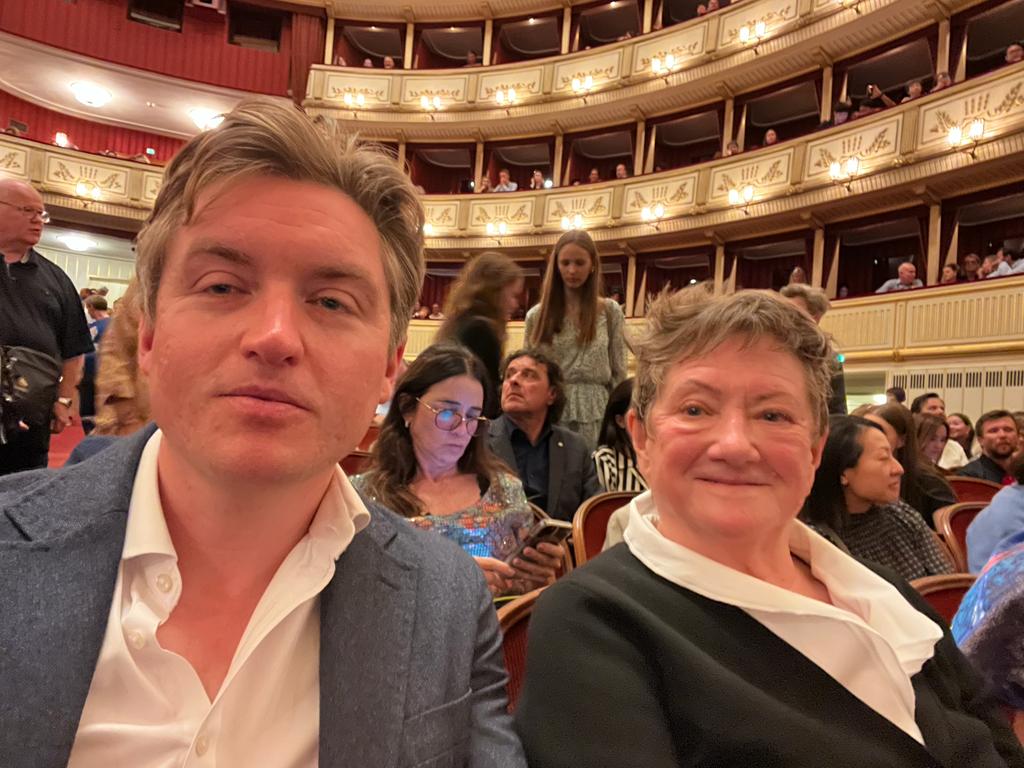
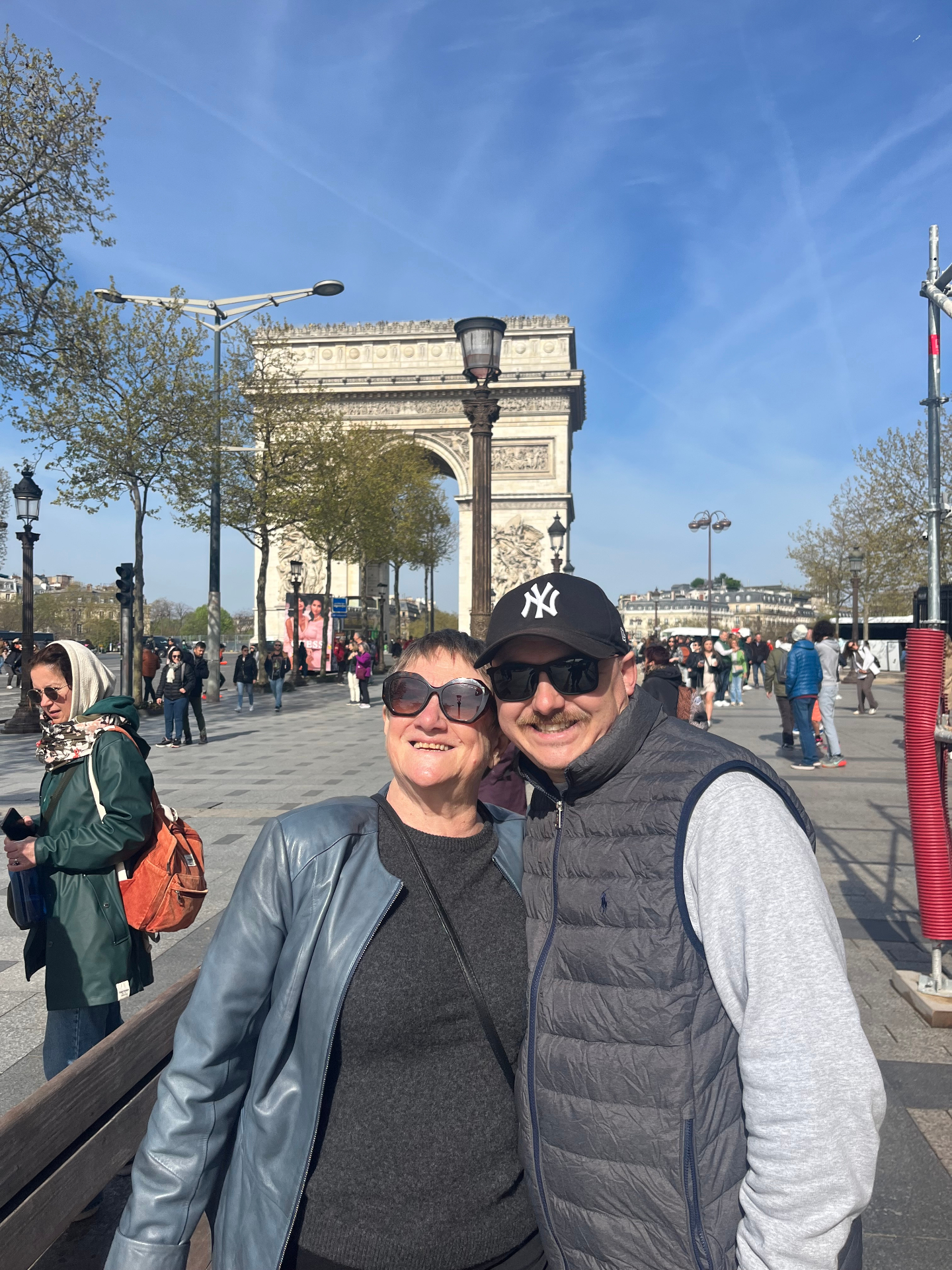
A Family Affair
"eflow is a rare example of a family-founded and family-run technology business. How has that shaped the team, the way you make decisions, build trust with clients, and think about the long term?"
It works because we do not step on each other's toes. The skill sets are distinct, and honestly that is the only way it can work. Everyone is related by blood and nobody is married in, which avoids a whole other set of complications.
It started with me and Marsha, and as she stepped back my brother Alex came in with a different skill set. When you ask people to take a leap of faith from one business model to another, equity only goes so far. They have to trust the people leading them.
Decision making can be harder, especially at shareholder level, where you have to be genuinely aligned. With customers, though, I thought the family story could go either way and it has been an asset. In an industry built on trust, it adds intrigue and, more importantly, it adds trust.
"I sat on a panel about family businesses expecting to swap war stories. The other three were unanimous: don't do it. I still disagree."
Fast Forward
"How do you see the future of regulatory reporting for trading firms, and where do you believe eflow can create the most long-term impact?"
Surveillance and the wider regtech market are growing fast, driven by regulatory complexity and the sheer scale of data firms now manage. The direction of travel is clear:
Piece of Advice Wrap-Up
"What advice would you give to founders building B2B infrastructure businesses in highly specialised markets?"
I underestimated how much the senior leadership team matters as a business grows.
I thought it was about how good the tech was, not how good the people were.
"You can have the greatest code in the world, but without the right leadership around you it won't grow."
Get that leadership in, and start the conversations as early as you can.
About eflow Global
eflow Global is a UK-headquartered regtech business helping financial institutions manage their regulatory obligations more robustly and efficiently. Its cloud-native PATH platform powers modular solutions for trade surveillance, eComms surveillance, best execution and transaction reporting, trusted by over 140 institutions worldwide. Finch Capital led eflow's £7m Series A in 2023.