

A candid, behind-the-scenes conversation with the founders shaping the future of Business and Financial Technology.
- Company
- NomuPay
- Role
- Group CEO
- Website
- NomuPay
The Story in 60-Seconds
"Give us the short version, what problem were you solving when NomuPay was born?"
The opportunity to acquire the licenses in traditionally hard countries came about in early 2021. This forced the conversation, what would we do with them? and why does the world need another payments company?
Problem
Asia remains inaccessible to global merchants because the global gateway acquirers have not invested in the region and local banks don't have the technology.
Solution
Buy licenses in Asian markets and connect up all payment methods (build the railway in Asia).
Opportunity
Total cross-border spend in the APJ region has broken through half a trillion dollars (more than $546 billion).
Business Model
Enabling all PSP's and ISO's to expand in Asia allowing them to keep servicing their merchant customers.
The Origins
"Given the origins of the company, what excited you personally about taking on this challenge and building something new?"
How does one compete with the Adyens' and Stripes' when they have a 15 year head start?
Defining the strategy, socialising it with best brains in the industry and then recruiting to execute makes it hugely rewarding when you see it all come together.
Execution across all business functions has been critical.
We couldn't afford to fall into the product founder trap of building first then figuring out the go to market. Revenue, product and engineering was stapled together from the start.
We've built differentiation, but heavily focused on what we could monetise. It's been the constant feedback from partners and customers that's enabled us to get revenue and costs into the same postcode.
Architecturally we can now add countries, methods and currencies which enable us to fulfil our "solving fragmentation" objective.
The Team
"How important was it to keep the original team together during the transition, and what role did they play in stabilizing and shaping NomuPay's early trajectory?"
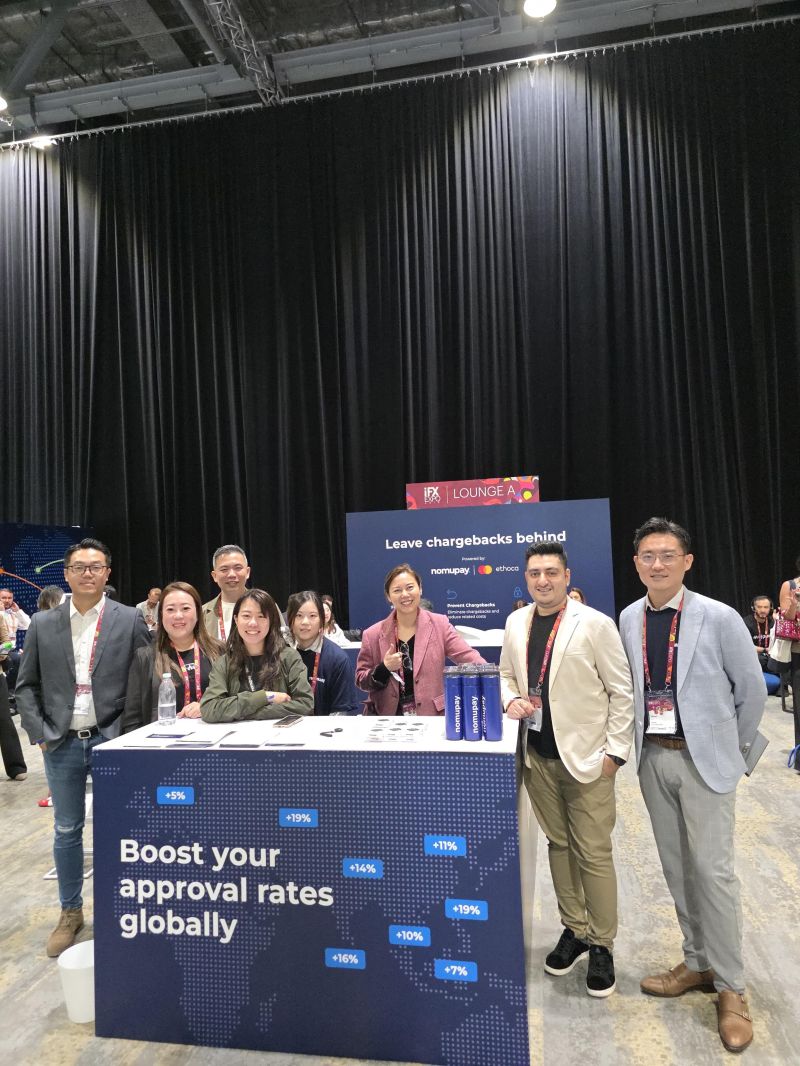
Most of the team are still with us.
We've been fortunate to have acquired a number of businesses that bought new skills and customers into the combined business. This enabled us to release our "new" product within our installed base.
We also got great capital partners that are in the trenches with us, and in the end, this is very much a team sport.
Looking forward to 2026, the scale and complexity of the business now require us to recruit new leaders into the functions across the business because our growth aspirations require it.
The Toughest and Easiest Calls
"What were some high and low-stakes decisions that kept you up at night, and how did they turn out?"
In payments there is always a trade of between the "brand" merchants that add to your enterprise value and there are those that just add revenue.
The icon brands are way harder to onboard but are stickier once they start to appreciate the value of the service. We've put in a lot of effort into these merchants that really showcase our differentiated value proposition.
At the same time, we've also been dependent on the higher risk merchants to pay the bills.
We've matured a lot from the early days, and we're more assured in now with our risk tolerance and how we monitor activity.
"In the early days, we were parachuting without a reserve chute."
Great merchants built on real value provides consistent revenue and revenue fixes everything.
Metrics That Matter
"What KPIs do you obsess over, and what do they tell you?"
Transaction Volume and Gross revenue tell me merchants are transacting, and our service is working. Net revenue (Gross rev after COGS) tells me if we're efficient and are keeping what we should be.
Sales is not our issue, but ensuring we're billing Merchants everything we should be and the partners are billing us for only what we've used is a big effort across the number of payment methods, schemes and geographies we operate in.
We run a daily war room on rev ops, and this has been massively helpful in making sure we earn what we should be.
A by-product of this is everyone (all functions) become super tuned into all aspects of our revenue model.
The Culture You're Building
"What's a small but intentional thing you've done to shape your company culture?"
I think the culture we started with was driven out of the need to be different and not just replicate other PSP's or acquirers. If our competition went left, we went right.
We are still small enough to embrace opportunities bought by AI, and embrace new ways of moving money – ie Stablecoin. These major tech and finance shifts are much harder to embrace for a global acquirer. We can spin up major changes in the way we architect solutions for merchants by embracing these technologies.
We've hired super smart subject matter experts. In all cases they created a differentiated service within their domain. They worked independently for speed….this was great for getting a product to market, but now we're in a phase where we are bringing it all together so communication and the merchant experience is everything.
"Its all about the merchant"
This means we need inquisitive people, people who want to lead, people who hold themselves accountable and people who want to create a great experience for the merchant.
This means we're looking for the "surprise in a CV".
What You'd Do Differently
"If you were starting the company again tomorrow, what would you change?"
- →Set personal objectives for everyone in the business from day 1. More reviews, more feedback. It's too easy for this to fall on the back burner in the daily grind.
- →Hired a licensing and payment lawyer earlier, and set them up as the "law", vs the constant debate on what we can and can't do with our licenses in each jurisdiction.
- →Put the risk team we have in place now, in earlier. I sleep a lot easier now.
- →Pushed product and engineering to walk a day in the shoes of the onboarding team and operations team.
The SoftBank Round
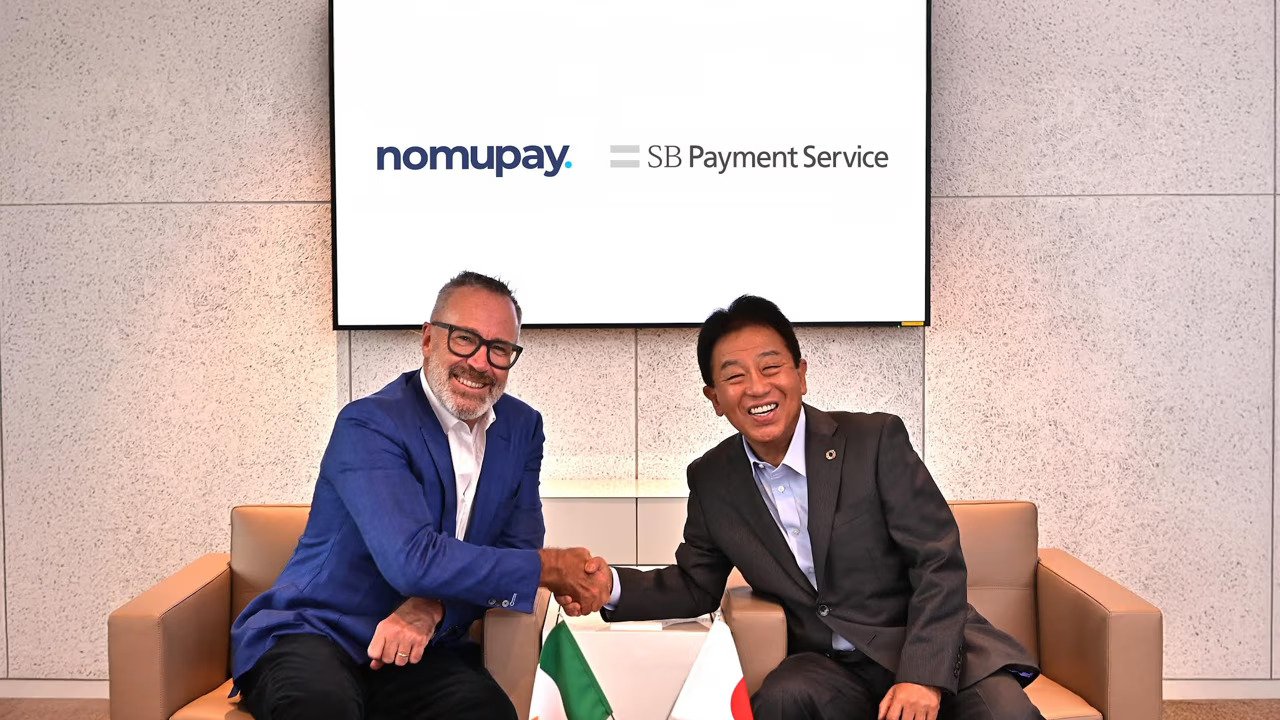
"Your fundraising round with SoftBank (SBPS) was a significant milestone. How did it change the complexion of the business?"
We defined the SB round as "basecamp" in our quest to climb Everest. We've used this metaphor to plan our ascent. Camp 1, 2, 3, 4 all have deliverables for each line of business.
The Summit:
EUR100M run rate • 40% annual growth • EBITDA margin >40%
Getting to basecamp just like the first ascent of Everest in 1953, required a lot of blood and sweat. We celebrated it.
"It has given us swagger. We're relevant and merchants and partners take us seriously. Put simply, it opens doors."
Fast Forward
"Looking ahead, where do you see the Southeast Asian payments market heading?"
The market is under-penetrated by the global acquirers, but merchants are looking to the region for growth. Both eComm and POS are growing at CAGR > 15%
If their current providers don't support the region then its NP to the rescue. We enable their PSP's to keep the merchant relationship and not let a competitor into their install base.
We will start to morph into a FX company with very sticky clients and a low cost of client acquisition.
Advice for Founders
"If you could offer one piece of advice to other founders, what would it be and why?"
Get to profitability fast.
You can't focus on the business if you're fund raising all the time.
It's not about constantly adding product features, it's about commercialising everything constantly.
Get in front of customers, take the pulse of the business by what they're telling you.
Constantly test the value proposition.
Try to hire the key staff from the competition, sell sell sell and see how they agree or object.